Turmeric: 15 mg of 95% extract
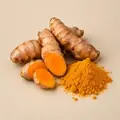
That’s about 14 mg of curcumin. NCCIH says the evidence isn’t strong enough to show turmeric helps any condition (NCCIH). Curcumin is poorly absorbed; trials commonly used 500-4,000 mg a day, and it is unclear whether doses under 3.6 g a day are active (LPI).
Resveratrol: 12 mg of 20% extract
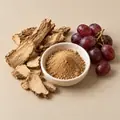
That’s about 2.4 mg of resveratrol, from Japanese knotweed. It is well absorbed but rapidly broken down. Short trials improved glucose and lipid measures in type 2 diabetes, but in overweight people without metabolic disease, resveratrol produced little or no metabolic benefit. Trial doses ranged from 10 mg to over 1,000 mg a day (LPI).
Interactions
- Both inhibit platelets in lab studies and may add to warfarin, aspirin or clopidogrel (LPI curcumin, LPI resveratrol).
- Resveratrol inhibits CYP3A4, which could raise levels of some statins, calcium-channel blockers, cyclosporine and tacrolimus.
- Highly absorbable turmeric products have been linked to liver injury (LiverTox).
- Pregnant women are advised to avoid resveratrol supplements.
Bottom line
At these amounts, both are closer to a seasoning than a study dose. See The milligram gap.
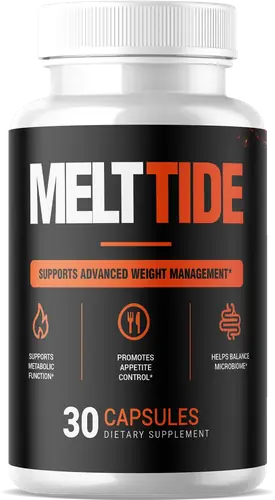
Considering MeltTide? Two bottles are $158 plus shipping; six are $294 ($49 each) with free US shipping and three bonus guides. Only unopened bottles can be refunded, and several ingredients touch blood sugar, so read the safety guide first.
Order MeltTide From $49/BottleQuestions
Does resveratrol help weight loss?
Little or no metabolic benefit in overweight people without diabetes (LPI).
Is 15 mg of turmeric useful?
Trials commonly used 500 mg or more of curcumin.